

You might not think much about edge banding—but this small detail actually determines whether your cabinets look premium or cheap. In 2026, the US edge banding industry is going through a quiet revolution. From material innovation to environmental requirements, from smart manufacturing to supply chain changes, every shift directly impacts your competitiveness as a furniture manufacturer. Want to know the key changes? Keep reading.
The Rise of Eco-Friendly Materials: PVC Is No Longer the Only Option
Challenges with Traditional PVC
Remember when everyone used PVC edge banding? That material is definitely durable and affordable, but here's the problem—it's not environmentally friendly. PVC production creates harmful substances, and the biggest headache is that it simply can't biodegrade naturally[6]. Now that environmental regulations are tightening across the United States, more and more customers are asking: "Is your furniture eco-friendly?" This puts traditional PVC in an awkward position.
New Materials Bring New Choices
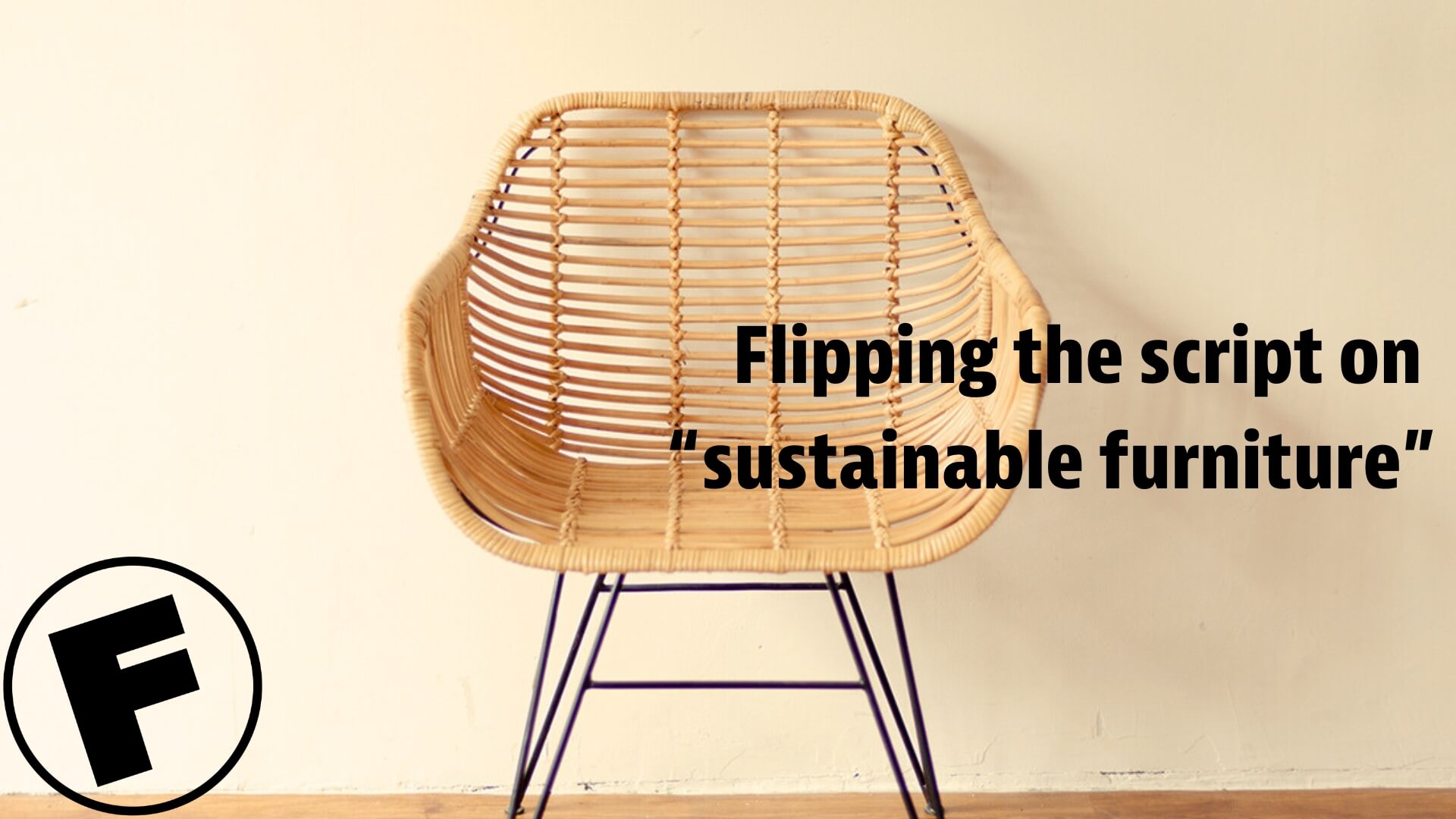
The good news is that we have more choices in 2026. PP (polypropylene) edge banding is on fire right now—it can be recycled, contains no chloride compounds, and the production process is cleaner[57]. Even though it costs a bit more than PVC, customers love it. ABS is another solid choice—it's also environmentally friendly and performs really well. Many US suppliers have already started promoting these new materials. If you're still using the old formula, watch out—customers might start looking elsewhere.
This isn't just a material issue—it's about your entire product positioning. These days, when Americans buy furniture, environmental responsibility has become a major decision factor. Using eco-friendly materials gives you an extra selling point, and customers are willing to pay more for it.
Smart Manufacturing: Making Your Factory Smarter
Time to Upgrade Your Equipment
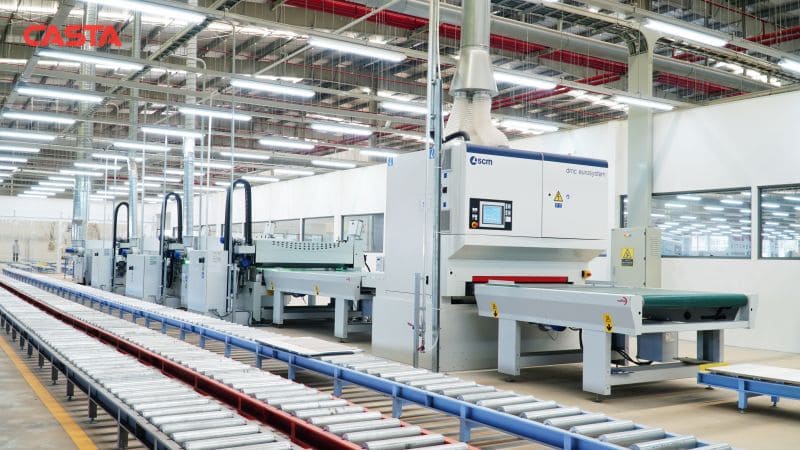
If you're still using edge banding equipment from five years ago, it might be time to consider an upgrade. Smart edge banding machines in 2026 are basically like having a brain—they can automatically adjust parameters, connect with your ERP systems, and even predict failures before they happen[59]. These machines don't just work faster; the key is they work more consistently, with defect rates dropping significantly.

This isn't hype—a smart edge banding system can genuinely boost production efficiency by over 50%[87]. Imagine this: the same workers, the same time, but output increases by nearly half. That's labor cost savings you can't ignore.
Data-Driven Decision Making
Modern edge banding machines can all connect to networks, with production data uploading in real-time[59]. This means you can know exactly how much material each batch uses, how long it takes, and the quality results. Before, you guessed based on experience; now, data does the talking. Which shift is more efficient, which material has higher waste—everything becomes clear. This data helps you optimize production processes, and costs naturally come down.
Color and Customization: Customers Want Unique
Customization Becomes the Norm
Today's American consumers want customization for everything, and furniture is no exception. Edge banding color, texture, and thickness—all need to match their decor style. This means suppliers need extensive color libraries and fast response times. Digital color matching technology can now create custom colors in just minutes—something that was unthinkable five years ago.

Supply Chain Response Speed Is Key
Customization brings one problem: orders have become fragmented. Before, you might have one big order running for six months; now, you might receive small orders every single day[65]. In this situation, whoever can respond quickly gets more business. Does the supplier have enough inventory, can logistics handle rush orders—these have become important factors in choosing suppliers.
US Market Opportunities: Serious Money Potential
Market Size Keeps Growing
The US cabinet hardware market was $4.8 billion in 2025 and is expected to reach $8.9 billion by 2034[77]. Behind this number is endless renovation demand—new homes need cabinets, old homes need remodeling, commercial spaces need furnishing. Basically, wherever people buy cabinets, they'll need edge banding.
The cabinet hardware industry is growing steadily, driven by renovation trends and ongoing style innovation[83]. Especially in kitchen and bathroom remodeling, American homeowners continue investing in upgrading their living spaces.
Supply Chain Is Being Rebuilt
The global supply chain disruptions over the past few years made many US manufacturers smarter. Now everyone's looking for local suppliers—shorter lead times, easier communication, easier problem-solving. This is a major opportunity for North American edge banding manufacturers. If you're considering expanding into the US market, now is a great time.
What Manufacturers Should Do in 2026
Re-evaluate Your Suppliers
Don't just look at prices anymore. Calculate total cost—material cost is important, but inventory overhead, waste losses, and downtime costs from waiting for materials might actually exceed the material itself[59]. Finding a supplier who responds quickly, maintains stable quality, and provides great service will save you money in the long run.
Add Some "Green" to Your Pitch
Environmental friendliness isn't just a fancy concept anymore—it's a real competitive advantage[72]. Write your eco-friendly material choices into your product descriptions and let customers know you care about this. Premium customers especially appreciate this, and they're willing to pay for eco-friendly products.
Natural materials are the most sought-after furniture materials in 2026[72]. Consumers are increasingly choosing sustainable luxury furniture[73]. Solid wood and sustainably certified materials are becoming the norm.
Pay Attention to New Technology, But Don't Chase It Blindly
New technology truly brings efficiency improvements, but the investment isn't small either. My suggestion: evaluate your actual needs. Are your order volumes large and stable? Are quality requirements high? Do labor costs take up a big portion? If the answer to all these is "yes," then the money spent on upgraded equipment will likely be earned back quickly.

As a manufacturer, what you need to do is not blindly follow trends, but see clearly and make smart choices. Choose the right materials, find the right suppliers, use the right methods—and your competitiveness will naturally improve.
The market is changing, players are changing—the only constant is customers' pursuit of good products. Grasp these trends, and your furniture manufacturing business can continue standing firm in 2026.
References:
- Cabinet Hardware Market Size & Share Analysis 2034 - Global cabinet hardware market size and trend analysis
- Edge Banding Materials Market Size 2025-2033 - Edge banding materials market growth forecast
- Furniture Edgebands Market Analysis 2026 - Furniture edgebands market analysis
- Automation & Digitalization: Future of Furniture Manufacturing - Furniture manufacturing automation trends
- 2026 Automation Furniture Manufacturing Guide - Furniture edge banding automation guide
- Sustainable Home Trends 2026 - 2026 sustainable home trends
- Why 2026 Homes Are Choosing Sustainable Luxury - Sustainable luxury furniture trends


